Saturday, February 11, 2017

3 Hottest Posts Everyone's Reading

Haven’t been keeping up with The Innovative Educator? Don’t worry. That’s what this wrap up is for.  Here are the three hottest posts that you don’t want to miss!

Two of the top three posts look at the role of the teacher in the age of Google. The first outlines considerations. The follow up post shares what we learned about the role of the teacher during the conversation colleagues and I had at Educon. Check it out for some thoughtful insights.

Making it to the top for the first time is a post where principal and superintendent Chris Lehmann explains how schools can effectively develop their vision and mission and points to the idea that this should be revisited each year with stakeholders. 

Entry
Pageviews
Jan 27, 2017, 
7963
Feb 1, 2017, 
7366
Jan 31, 2017, 
6987


If any of these posts are of interest, check em out and share with others using the buttons below on Twitter, Facebook, email or whichever platform you like best.

Wednesday, February 8, 2017

5 Ways to Show Off Your Digital Badges

More and more entities are helping people show what they know with micro-credentials and digital badging.  Micro-credentials and certifications teach specific job skills and provide evidence indicating if these skills have been attained via a certificate or badge. The International Society for Technology Education (ISTE) recommends using a badging system built on Mozilla’s Open Badge Infrastructure. In their paper on the topic, the Nellie Mae Education Foundation explains that the badge image itself becomes the visual symbol or icon a learner can display to represent mastery or knowledge. Anyone clicking the image can link to verifiable information about who issued the badge, the evidence behind it, and its potential value.


In New York City thousands of teachers have participated in a technology certification program that produces expert New York City educators by providing them with best practices in using technology tools and resources for teaching and learning. Industry-leading companies like Common Sense Education, Promethean, Google, Newsela, and PBS have joined in this effort to develop experts in effective teaching methods, digital citizenship, family engagement, and using technology across subject areas. These teachers are prepared to share this knowledge with other educators in their schools, districts, and boroughs. 


Those who complete the program receive digital badges, but what is one to do with this recognition? Here are some ideas:

Sunday, February 5, 2017

Who Gets to Tell [Y]Our story? @Edhistory101 - Uncovering The Truth With @JennBinis

Note: Twitter won't let you Tweet my blog url. Please use this shortened url instead http://tinyurl.com/whotellsyourhistory 

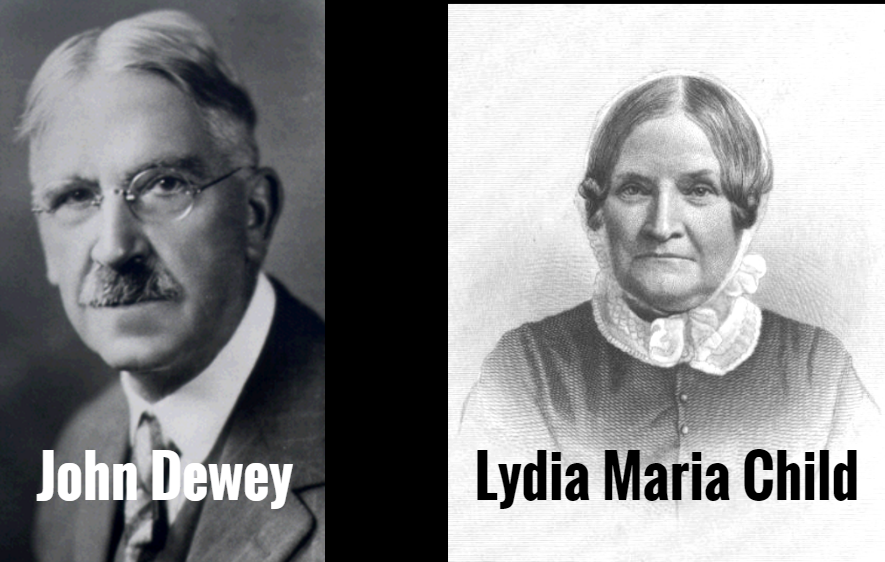
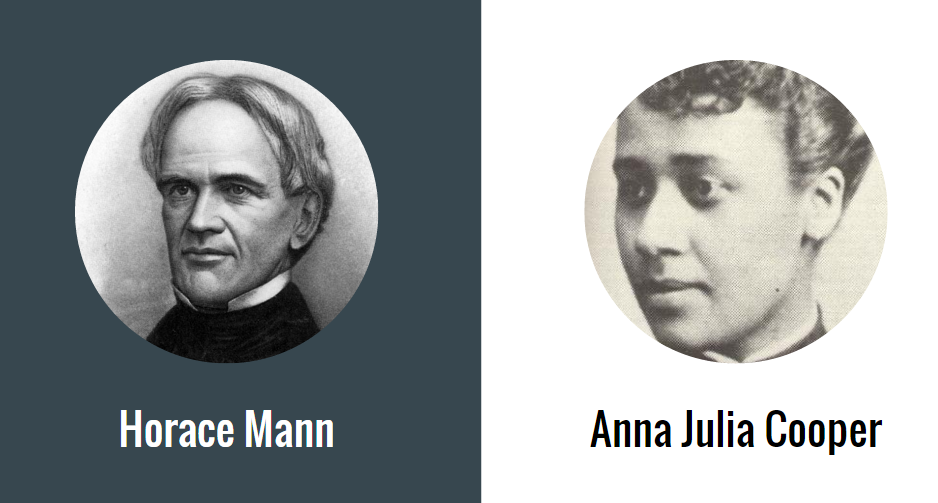
Who determines the truth and gets to tell the story of us in the history books? Jenn Borgioli Binis (@JennBinis), @edhistory101 host, led a conversation at Educon which looked at the answer to this question. She specifically looked at the history of education. She challenged attendees to think about stories told from the perspectives of those who haven’t traditionally told them and had schools named after them.

What if instead of getting the history of education from the men on the left side of the images below, we heard the stories from those on the right side?


One  Educon participant had this idea for getting started on the journey.

Here was the process we used:

Saturday, February 4, 2017

3 Hottest Posts Everyone's Reading

Haven’t been keeping up with The Innovative Educator? Don’t worry. That’s what this wrap up is for.  Here are the three hottest posts that you don’t want to miss!

Making it to the top for the first time is a post that reveals the 2 Biggest Barriers To Learning in Modern Schools. What do you think they are? Check out my post and see if I agree.

Next up is a post looking at the differences between terms like ed tech, tech ed, digital literacy, media literacy, & digital citizenship. Think you know the difference? Check out the post and see..  

Making its way to the top for the first time is a post about the power of social media to provide the experience of being in someone else’s shoes. Check out how that can work at Spend A Day In Someone's Shoes with Social Media.


If any of these posts are of interest, check em out and share with others using the buttons below on Twitter, Facebook, email or whichever platform you like best.

Thursday, February 2, 2017

#NYCSchoolsTechChat - #RespectforAllWeek with Guest @achaks CEO at @BloomzApp

twitterchat-5c-_19177604_24ea1be649c68fc60ef635000760a24a22bc5f84.jpeg


Did you know that February 13th marks the launch of #RespectforAllWeek? What will you do to support your students and families?

Haven't figured it out? Don't worry. Join us for our 10th monthly Twitter chat at 6:00 pm EST on February 2nd.

#NYCSchoolTech teacher Eileen Lennon moderates with me throwing in my two cents.

During the chat we will have special guest Chaks Appalabattula CEO at  which helps teachers save time in communication with parents.


You can prepare for the conversation by thinking about answers to these questions:

Wednesday, February 1, 2017

Missions & Visions & Values...Oh My! Ideas for Doing It Well at #Educon

Ahhh...the school mission statement. And then there is the vision statement. And, what the heck is the difference? What are we really identifying and do we ever go back and re-examine to ensure it is still what we believe? 

At a session titled "Intentionality & School Design" at #Educon, for the most part, educators indicated that these statements, once created, were never looked at again. Should new staff come on board, they likely would never have a chance to understand what drove these statements. Existing staff can lose sight of from where it is they came. 

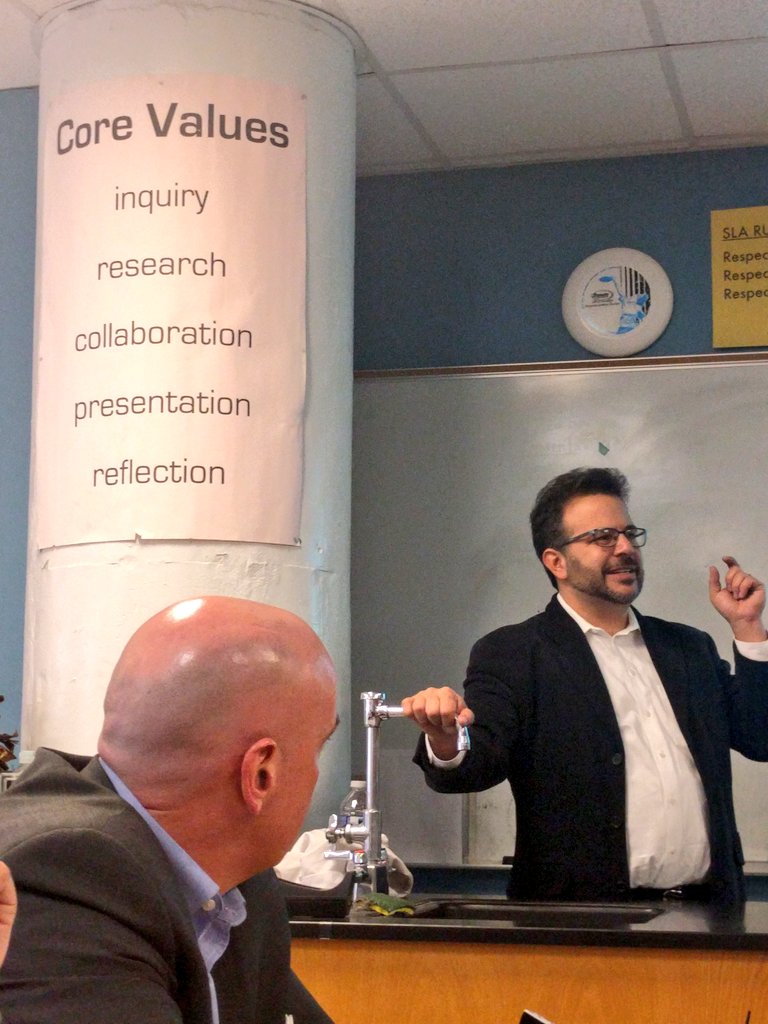
Chris Lehmann, Science Leadership Academy (SLA) principal and superintendent for the Philadelphia School District asked educators to consider why it was not universal that the school community revisit these statements? He explained that at the 
heart of it is a school's core values. For SLA those are: Inquiry, Research, Collaboration, Presentation, Reflection. They are posted in every classroom. 

Lehmann went on to explain that they don't have a separate vision and mission statement. They just outline what they do which is: Learn. Create. Lead. This is seen in their logo.
save image
Go to the school website and you can read the mission and vision outlined in plain language and includes the core values. 

So what are the takeaways for other schools? 
  • Start with your core values. 
  • Know what you do. 
  • Reinforce by ensuring the consistent message is evident in classrooms and materials. 
  • Revisit each year.
What happens where you work? Is everyone on the same page with core values? Has the school outlined what it does simply? Do these takeaways exist? If not, can they?